The Greater Milwaukee Committee
Membership News
August 2026

Letter from Cristy
Dear members of the Greater Milwaukee Committee,
Hello, all!
As we continue our work together, I’m encouraged by the leadership and momentum our members are bringing to the Greater Milwaukee Committee and our region. This newsletter edition celebrates a new member, new leadership of a committee, and highlighting an important next step in the GMC’s public safety work. This is the kind of collaborative leadership that makes the GMC unique: bringing people and organizations together around shared priorities and creating opportunities to turn ideas into meaningful action. We hope you’ll find ways to engage in this work and help us build on our momentum.
With gratitude,
Cristy Garcia-Thomas, Interim President

Member Spotlights
Welcome to
GMC Membership
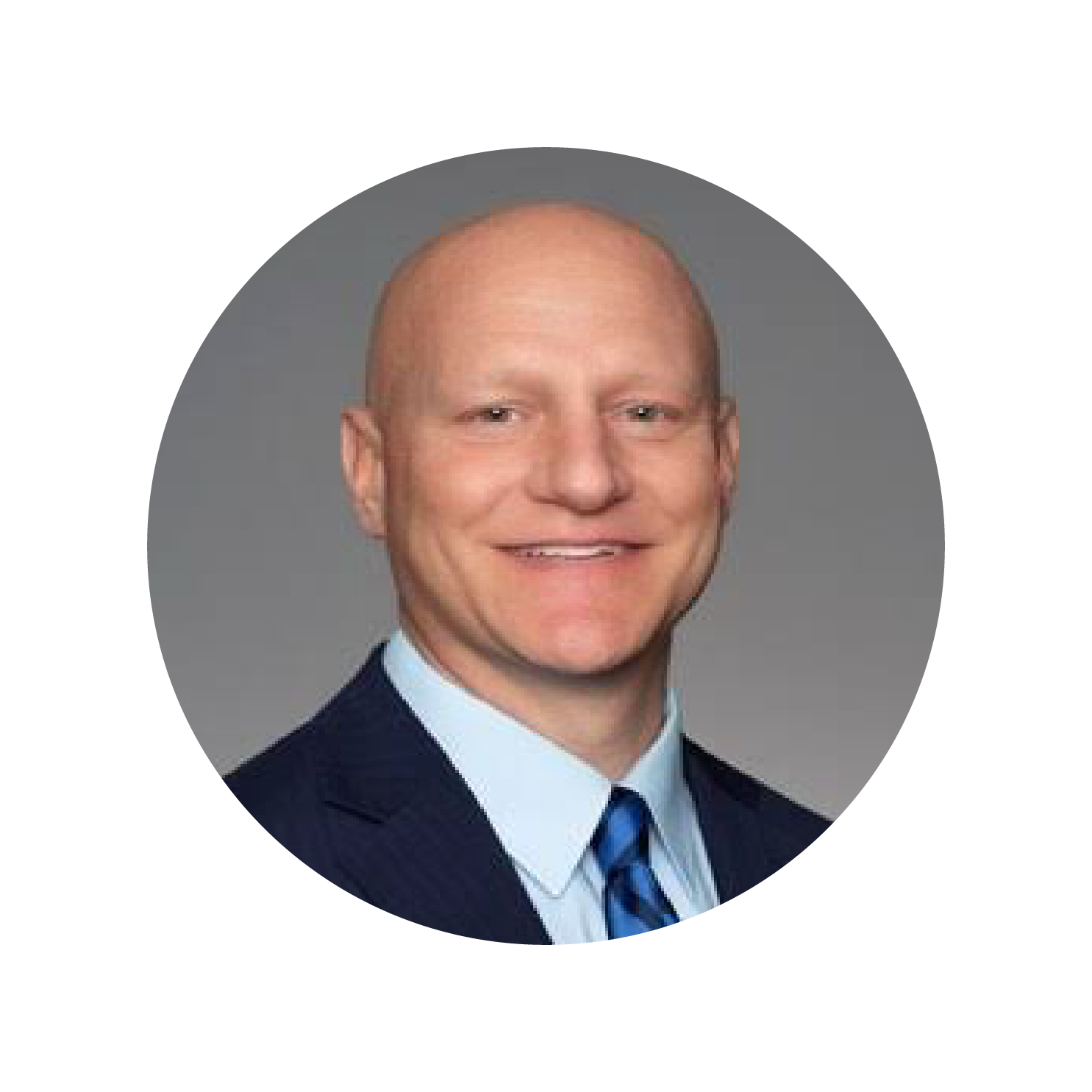
Tim Mackay
President & CEO
Landmark Credit Union
Welcome
New Education Committee Co-Chair
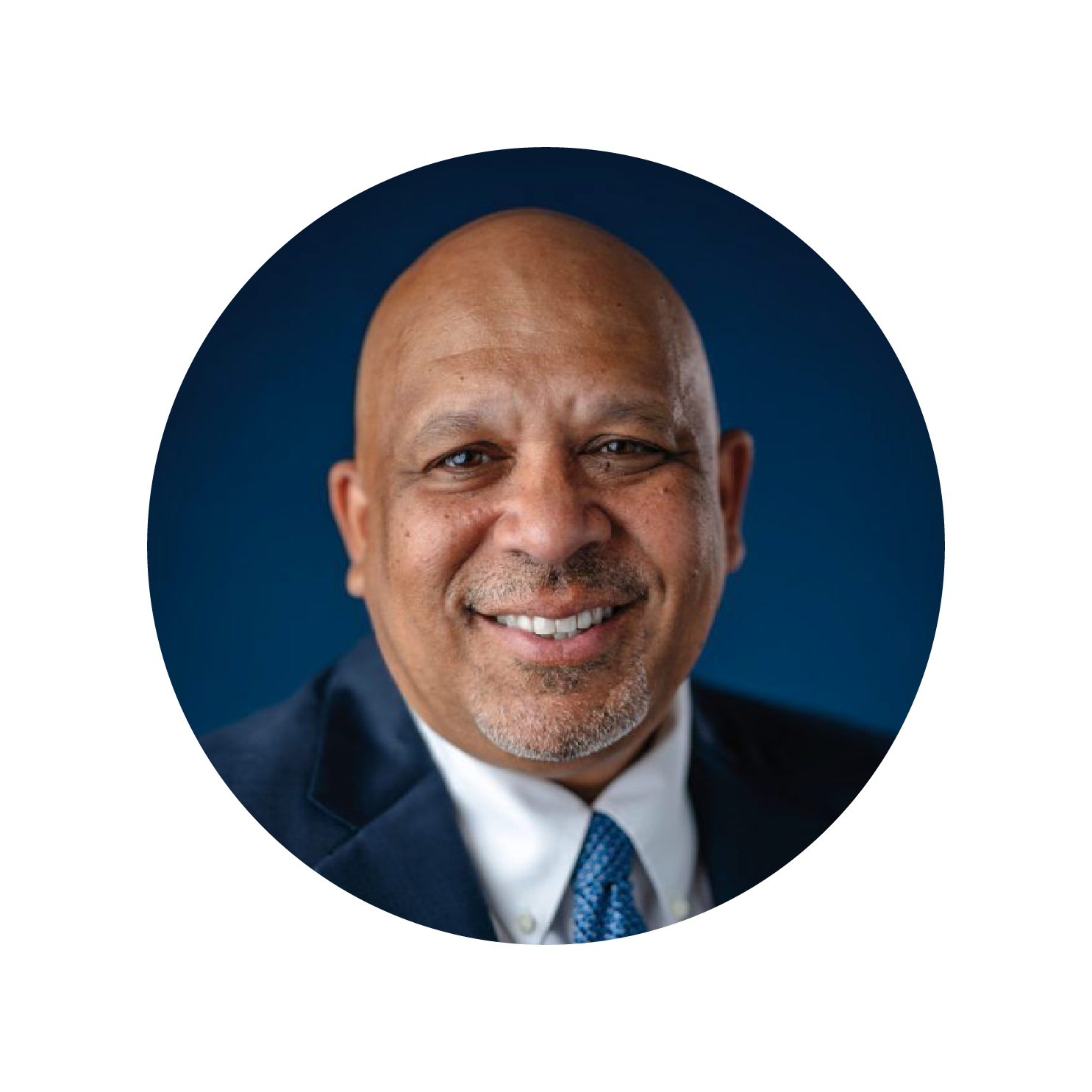
Kimo Ah Yun
President
Marquette University
Welcome
New Education Committee Co-Chair
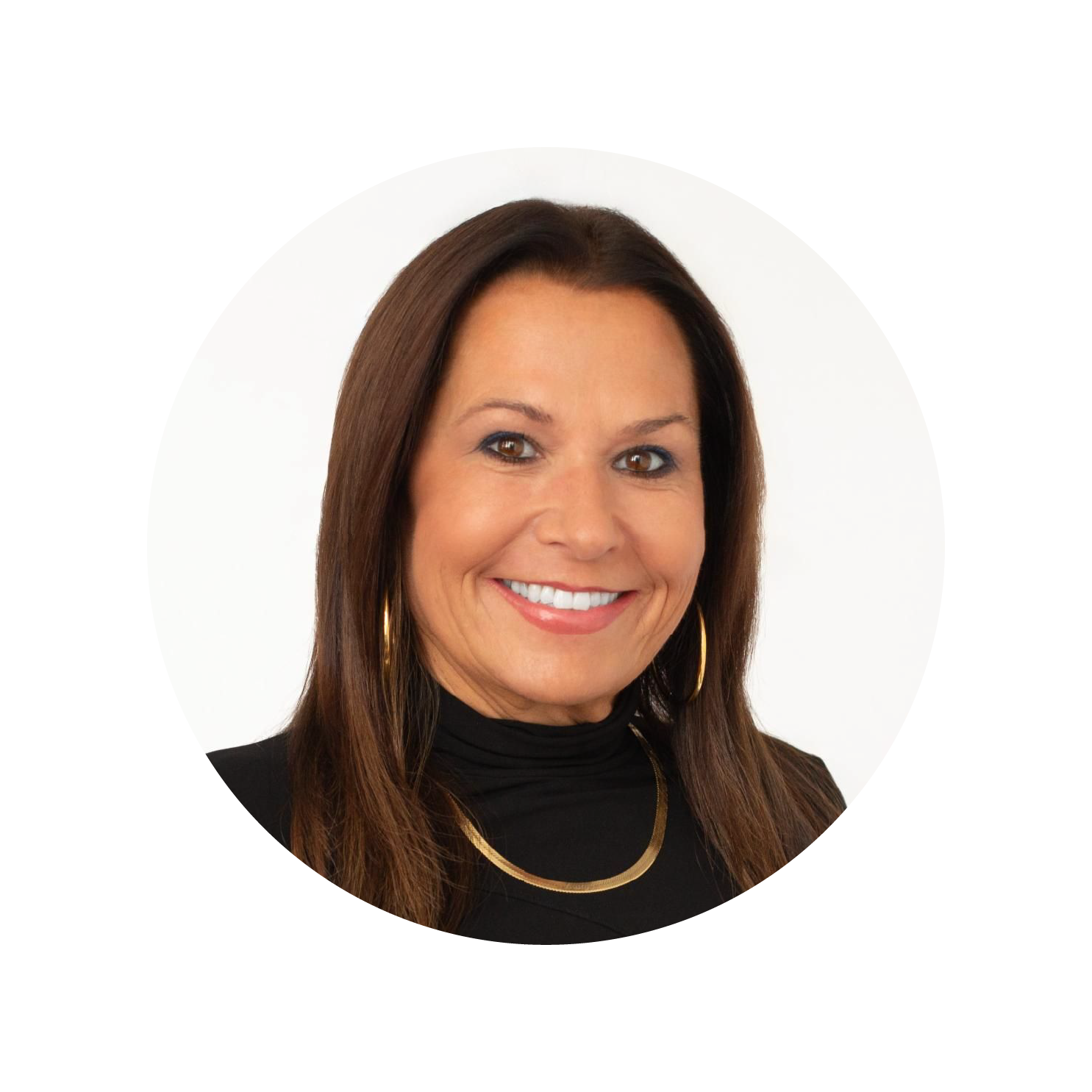
Anne Zizzo
Founder & CEO
Zizzo Group
Strategic Update
Public Safety
The GMC’s Public Safety Committee is moving from research to focused, measurable action through a 100-Day Action Plan. The Committee’s work has identified opportunities to strengthen coordination, engage the business community, and address funding challenges within Milwaukee’s community violence intervention (CVI) ecosystem.
The Committee’s 2026 priorities include CVI, youth and young adult violence prevention, workforce pathways, and digital infrastructure accessibility. A key focus is connecting public safety and workforce strategies by engaging businesses in employment and career pathways for young people.
Business engagement is already underway, with discussions held with Milwaukee Tool, Walbec Group, and CG Schmidt, and additional conversations scheduled. Early response has been positive, with members expressing strong interest in job creation and workforce pathways as a meaningful public safety strategy.
A 100-Day Business-Engaged Workforce Action Plan
The GMC is advancing a 100-Day Action Plan focused on youth and young adult workforce opportunities as one strategy to strengthen public safety and expand economic opportunity.
The goal is to launch a business-engaged CVI workforce pilot that demonstrates measurable progress within 100 days. The effort will connect interested GMC member organizations with existing workforce and community partners to identify hiring opportunities and other practical ways employers can engage.
Phase 1: ALIGN | Days 1-25
The Committee will:
- Identify 2-4 CVI organizations
- Engage workforce partners, including Employ Milwaukee, JobWorks MKE and Milwaukee County
- Identify 3-4 business champions
- Define the workforce pipeline and target population
GOAL: Establish a clear pipeline outlining who is being served, what opportunities are available and how partners will work together.
Phase 2: COMMIT | Days 26-50
The GMC will bring businesses and partners together around specific opportunities to act, including hiring, supporting and funding.
GOALS:
- At least 2 employers committed to hiring
- At least 2 funding commitments
- Additional business supports and resources identified
Phase 3: ACTIVATE | Days 51–90
Business partners will begin engaging in the workforce pipeline, with support as needed.
Activities may include:
- Launching a hiring pipeline targeting 10-20 individuals
- Providing coaching and retention support
- Connecting workforce efforts with youth violence prevention and summer coordination
- Creating employment, mentorship and career pathway opportunities
Phase 4: MEASURE & REPORT | Days 91-100
The Committee will evaluate progress and report to the GMC Board and Public Safety Committee.
Measures will include:
- Individuals hired or in the hiring process
- Businesses and GMC members engaged
- CVI partners aligned
- Business contributions through hiring, funding or other support
- Early indicators of youth engagement and workforce participation
The Ask: Commitments, Not Just Participation
The GMC’s role is to create the connections and structure for action. Members can contribute in several ways:
- Employers → Hiring & Workforce Pathways: Create employment opportunities, internships, mentorships and career pathways.
- Business Leaders → Ownership & Accountability: Help drive alignment, visibility and sustained action across sectors.
- Businesses → Funding Prevention & Community Safety: Invest in proven prevention, youth engagement and violence intervention strategies.
- Building Owners → Safe, Activated Spaces: Support environments that promote safety, activity and stronger neighborhood connections.
- The opportunity is to leverage the GMC’s collective strength to move from alignment to action, connecting members to existing efforts, activating business capacity, and demonstrating what coordinated leadership can accomplish in 100 days.
- We invite you to be a part of this work. Reach out to Langston Verdin to confirm your commitment or to explore how your organization can get involved.
You’re Invited!
Wisconsin Business Leaders for Democracy
The GMC is sharing the information below on behalf of WBLD for informational purposes only. The GMC is not sponsoring or endorsing this event, rather sharing for any GMC member who may be interested in attending.
On Thursday, September 10, Wisconsin Business Leaders for Democracy will host a virtual discussion examining the state of Wisconsin’s elections and what business leaders should know heading into November.
The program features Charlie Sykes, veteran political commentator, and Professor Charles Franklin, director of the Marquette Law School Poll, with moderation by Anoop Prakash of Wisconsin Business Leaders for Democracy.
The discussion is intended to provide business leaders with a nonpartisan, fact-based overview of Wisconsin’s electoral landscape, the issues shaping the upcoming election, and why a stable, wellfunctioning electoral process is important to Wisconsin’s economy and business climate.